Grade 9 and above

Portfolio Building Program

A serious engineering track for students ready to turn robotics, AI, CAD, electronics, and competition work into visible proof: build logs, polished demos, technical documentation, and a capstone portfolio.

9+ Recommended grade
1:1 Mentored project roadmap
4 Portfolio-ready deliverable types
Rs.24,999 Monthly fee, GST extra

Built for students who need more than classes.

The goal is not just to learn tools. The goal is to create durable evidence of thinking, building, iteration, and communication that can be shown in school applications, competitions, internships, and interviews.

Project Portfolio

Structured project pages with problem statement, design choices, iterations, photos, code, and results.

Demo-Ready Builds

Working prototypes that can be presented clearly to teachers, judges, peers, and interview panels.

Technical Writing

Build logs, diagrams, bills of material, design notes, and explanations that show engineering maturity.

Competition Prep

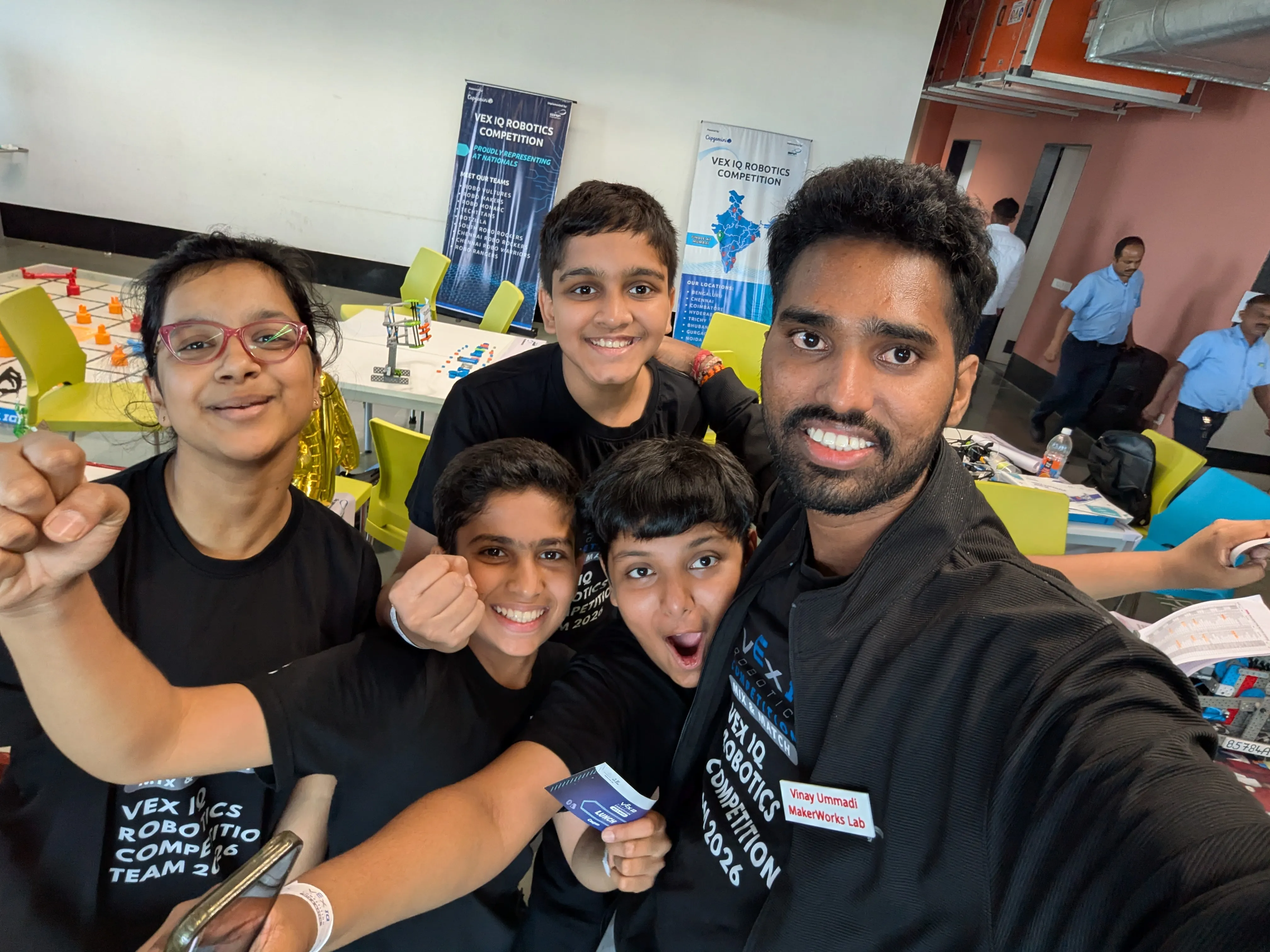
Support for WRO, VEX IQ, Coolest Projects, hackathons, and school innovation showcases.

A studio workflow, not a worksheet.

Students work like junior engineers: define a problem, choose a technical path, build, debug, document, present, and refine. Each cycle produces something useful for the portfolio.

01

Portfolio Audit

We map the student's current skills, interests, grade goals, prior projects, and competition plans.

02

Technical Sprint

Students build in focused cycles across robotics, electronics, CAD, coding, AI, or product design.

03

Documentation Lab

Every build becomes a clean project story with photos, diagrams, decisions, code, and outcomes.

04

Presentation Polish

Students learn to explain their work clearly through demos, posters, slides, and portfolio pages.
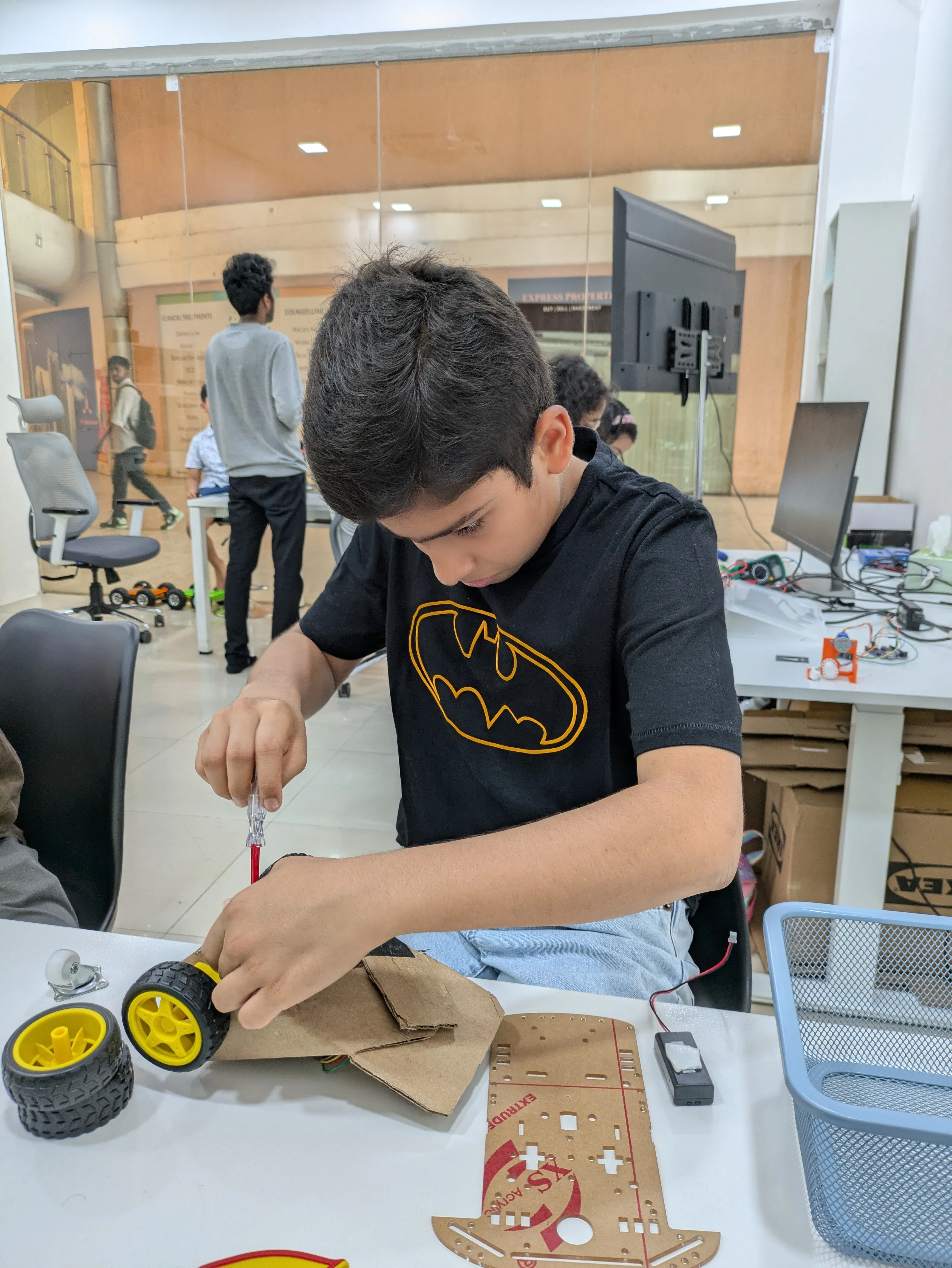
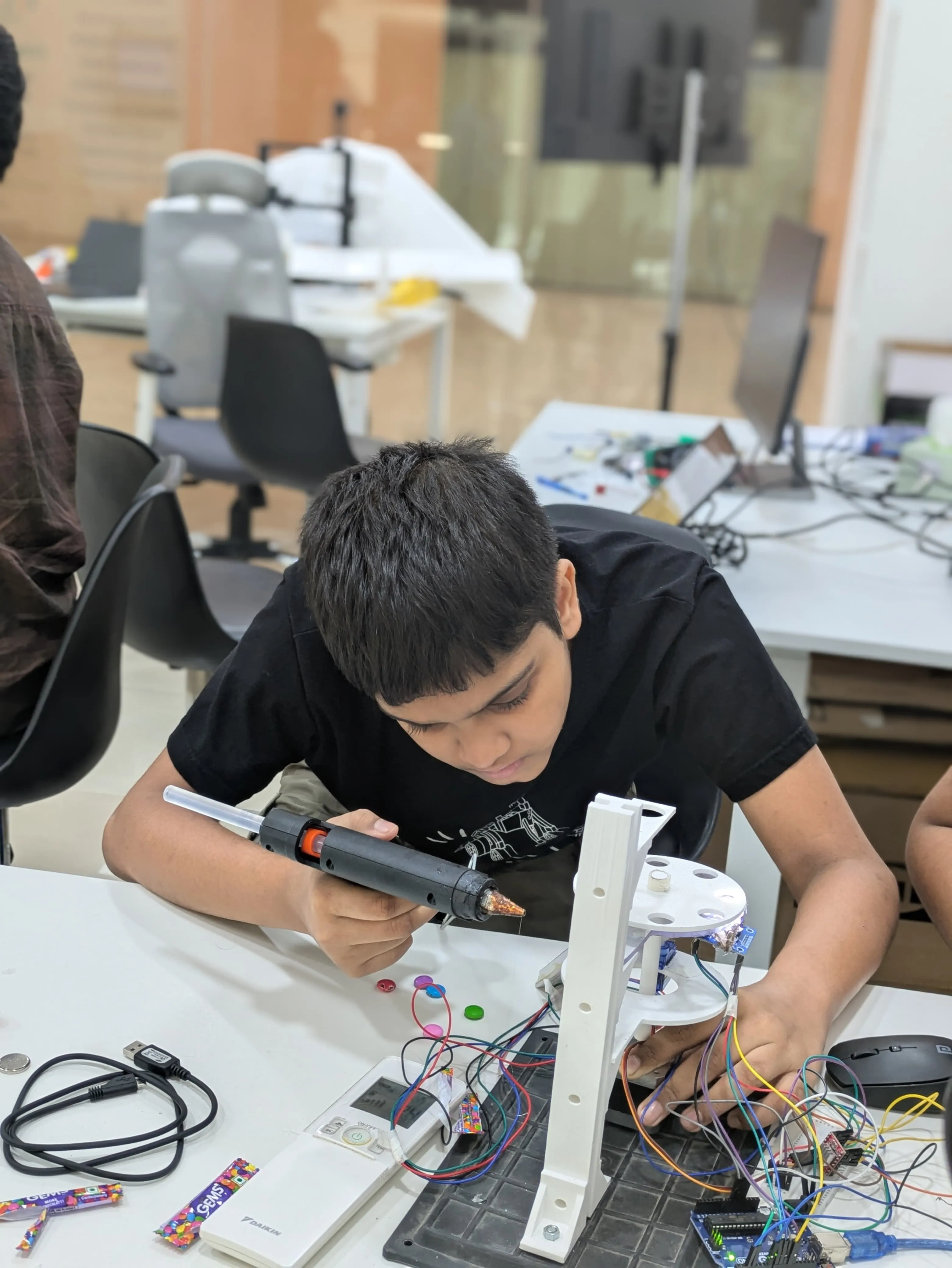
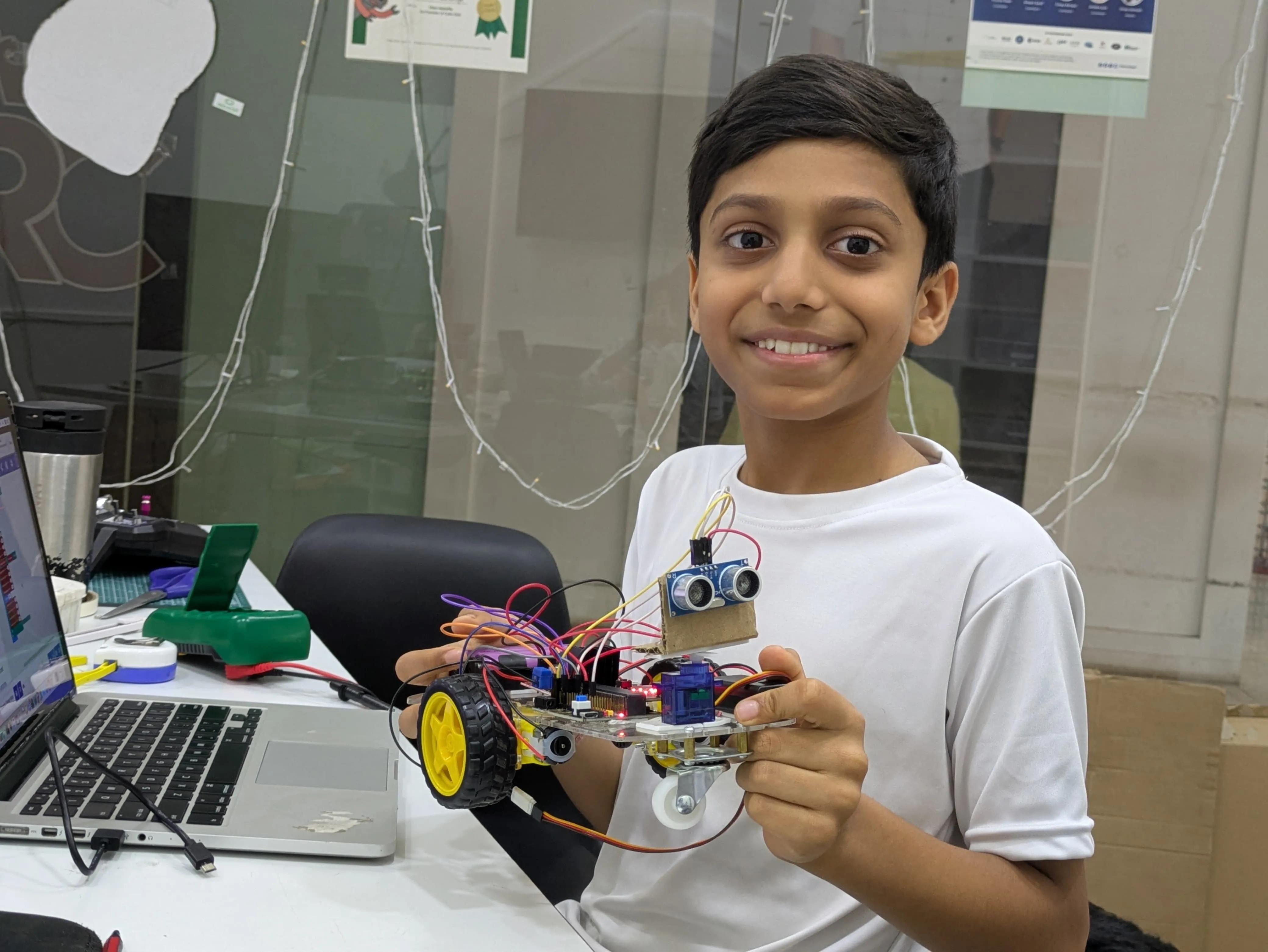
Student building a hackathon robot
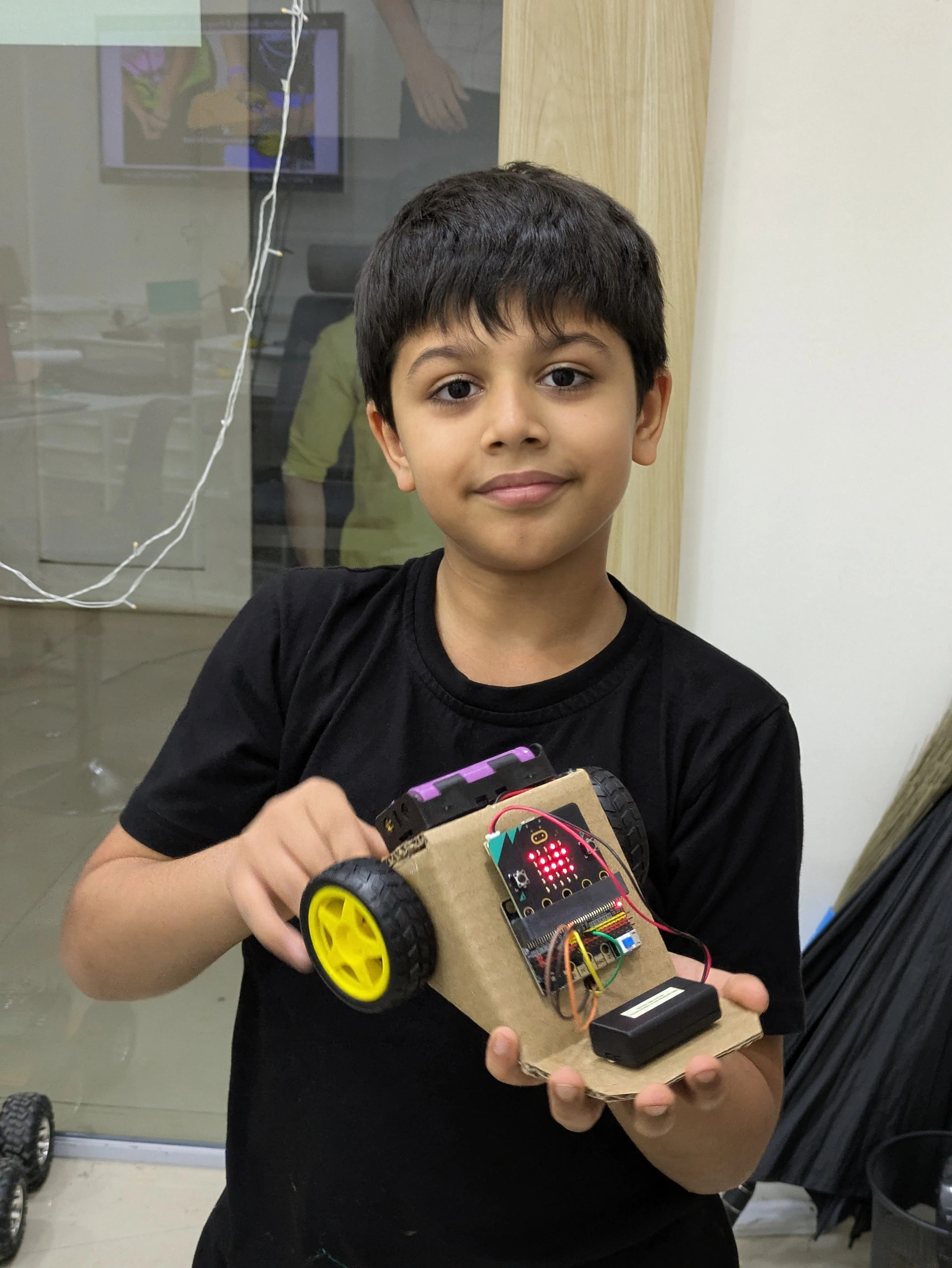
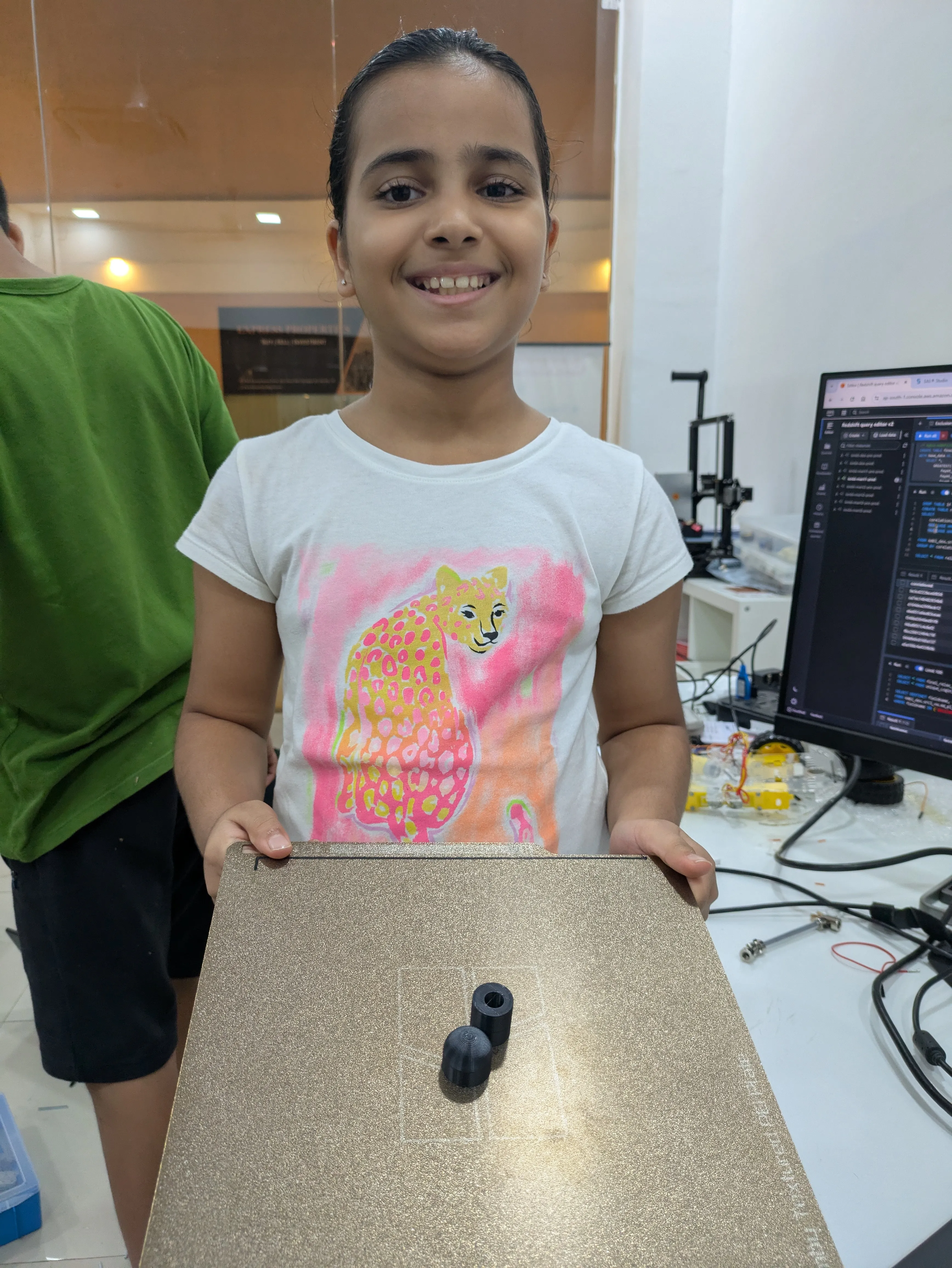
Student showing a 3D print MakerWorks VEX team with robot

Choose a capstone direction.

The portfolio track is personalized, but every student works toward a clear technical theme that can produce depth instead of scattered one-off projects.

Competition Robotics

Build and tune robots for real challenge constraints.

  • Drive systems and mechanisms
  • Sensor-based decision making
  • Testing and iteration logs

AI and Vision

Use code and cameras to build smarter machines.

  • Computer vision pipelines
  • Object detection prototypes
  • AI-assisted automation demos

Product Prototyping

Turn ideas into physical devices with a clear user problem.

  • CAD and 3D printed parts
  • Embedded electronics
  • User testing and refinement

IoT and Automation

Create connected devices that sense, decide, and respond.

  • Sensors and dashboards
  • Home or school automation
  • Reliability testing

Mechanical Design

Develop robust assemblies and explain the design reasoning.

  • Linkages, gears, chassis
  • Fusion 360 or SolidWorks workflow
  • Manufacturing constraints

Research and Writing

For students who want to show depth in analysis and communication.

  • Technical essays and posters
  • Experiment design
  • Public project documentation

Evidence students can actually show.

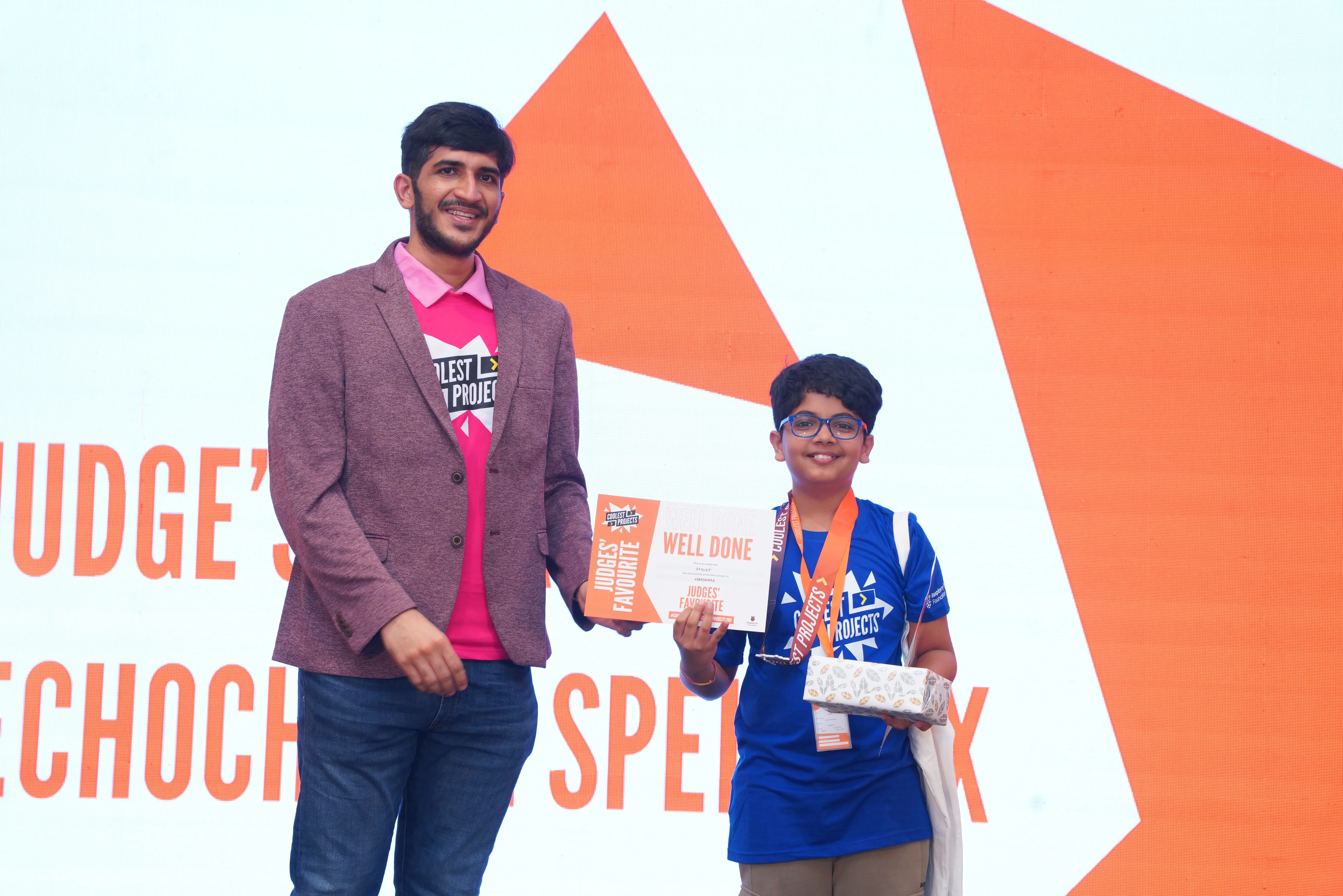
The page is designed around visible outcomes: prototypes, team builds, competition attempts, CAD pieces, electronics projects, videos, and reflection.

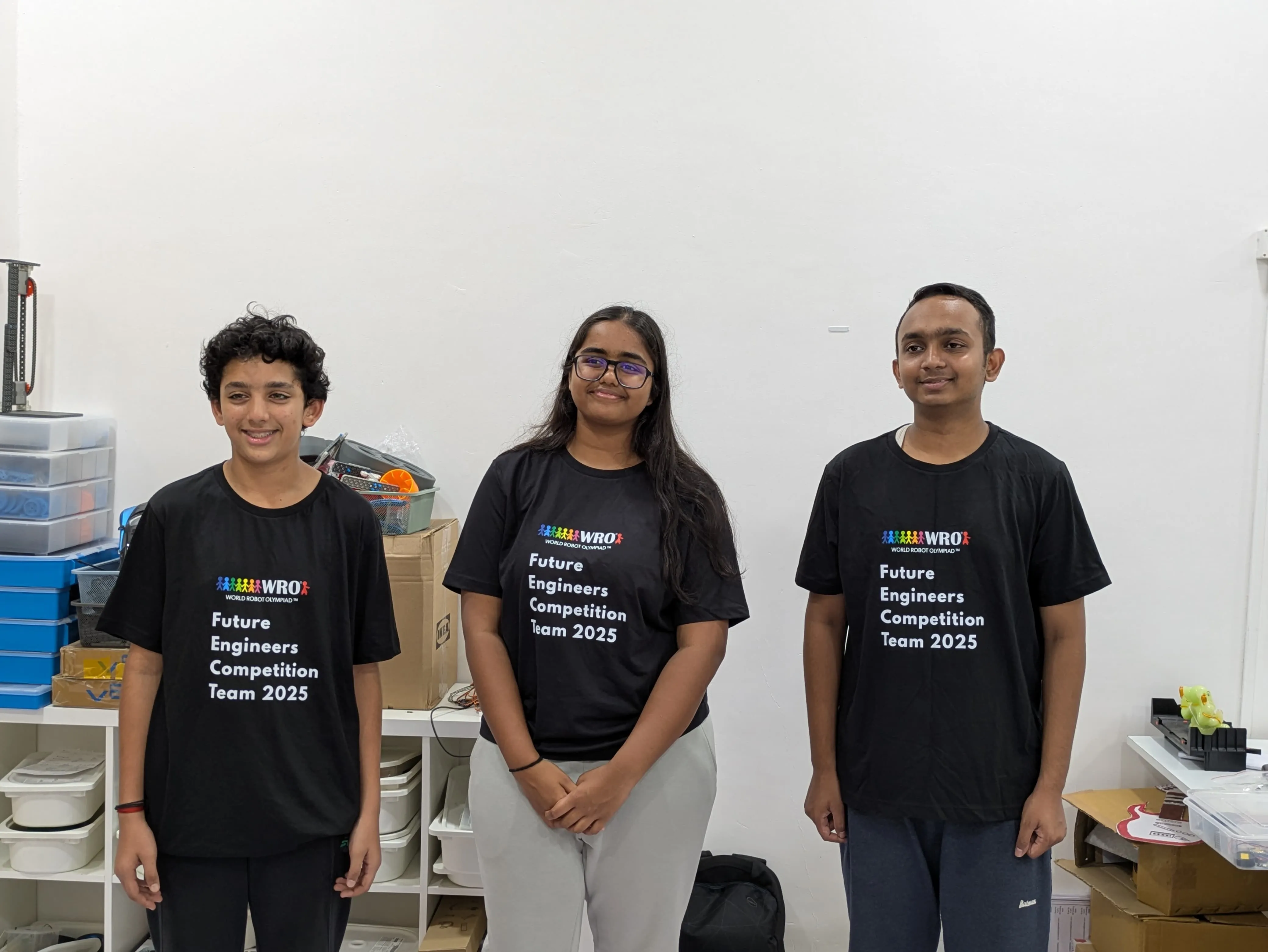
MakerWorks WRO team Student working on color sorter Student showing a project Students at Coolest Projects Student demonstrating a project

Mentored by builders.

Students receive guidance on technical direction, debugging, presentation, documentation, and the tricky art of choosing projects that say something meaningful.

Vinay Ummadi

Vinay Ummadi

Co-Founder and Robotics Lead

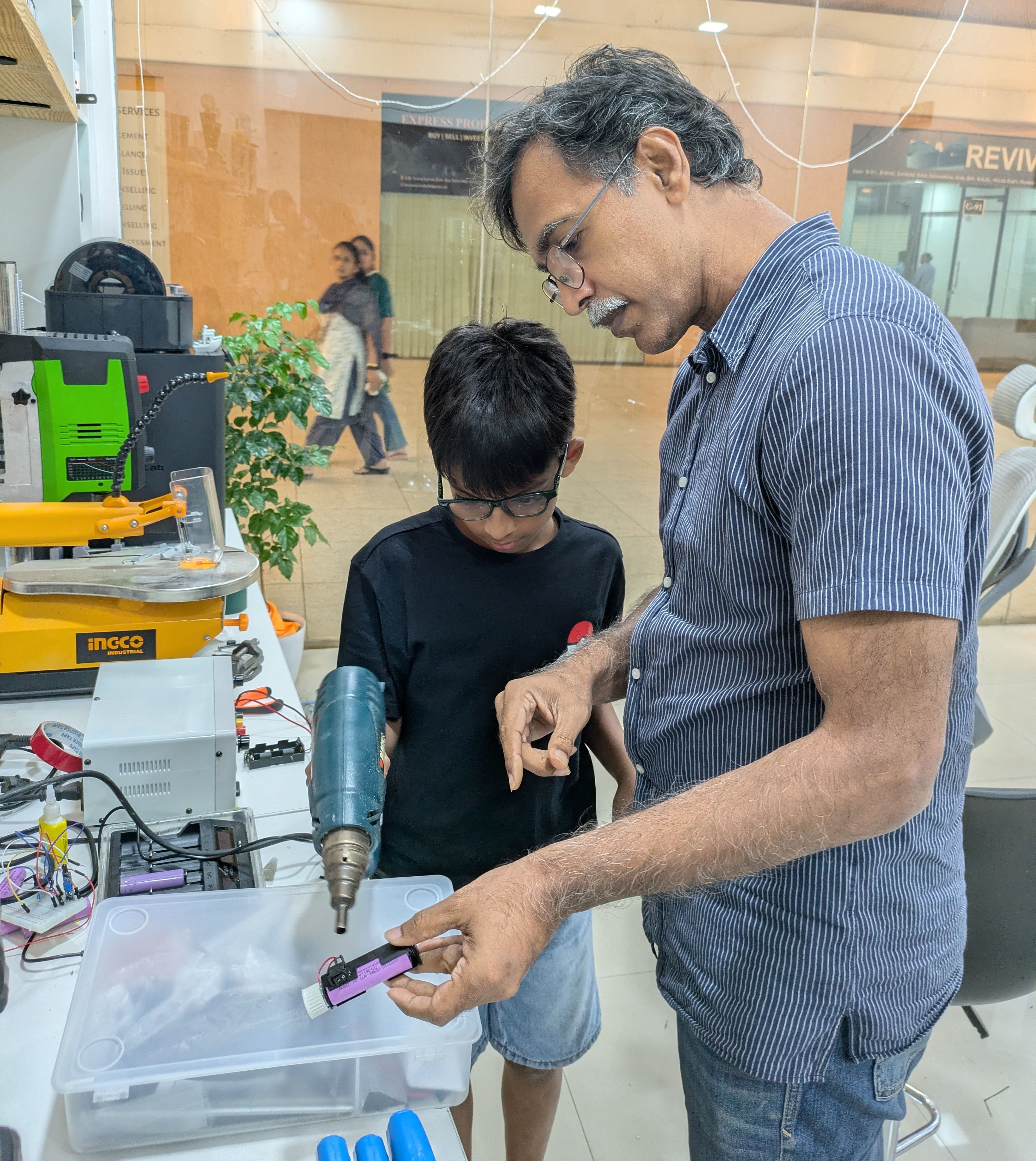
Guides robotics architecture, competition strategy, engineering thinking, and build discipline.

Abhay Waghmare

Abhay Waghmare

Hardware and Workshop Expert

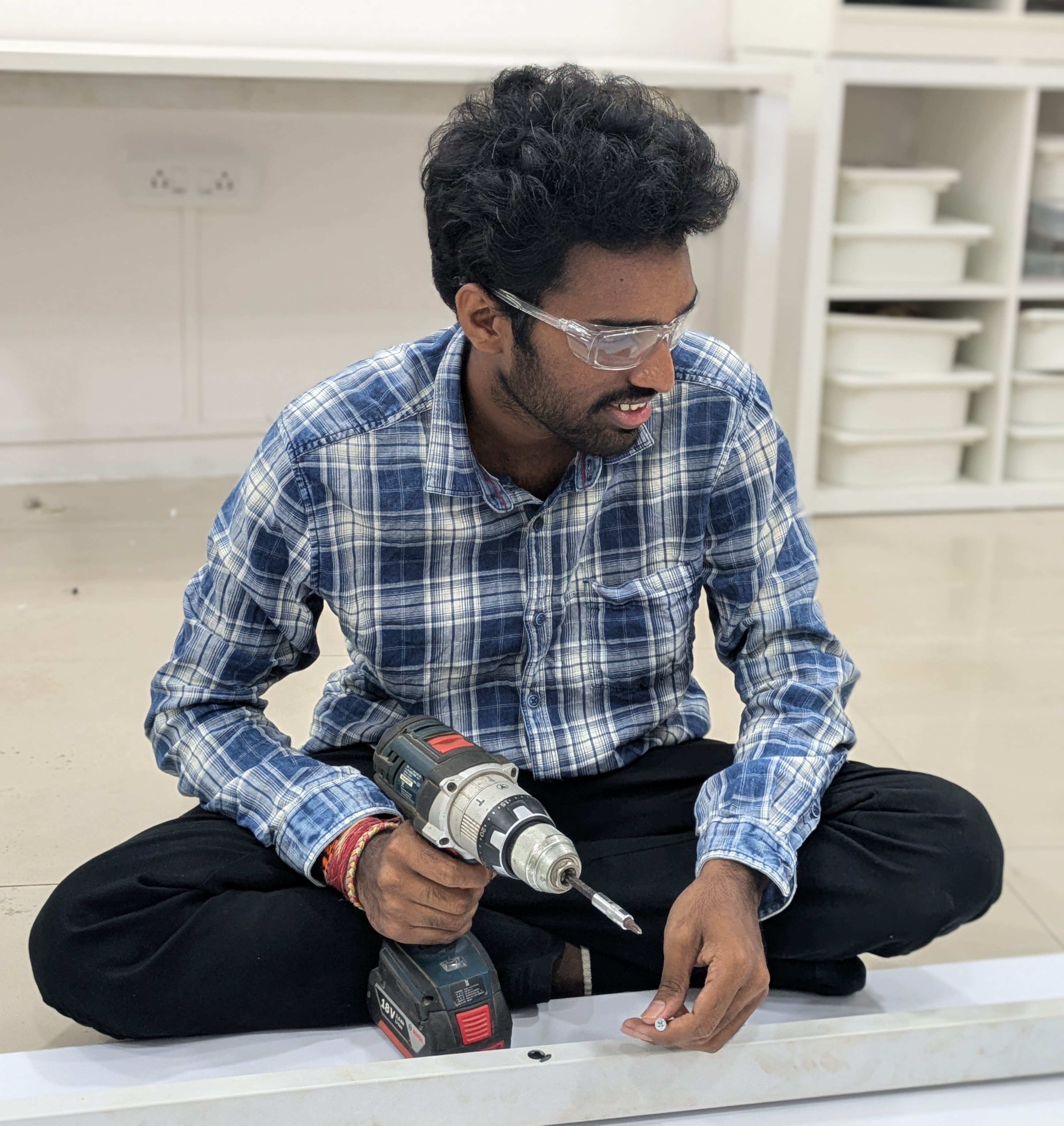
Supports fabrication, mechanical structures, hardware debugging, and physical prototype quality.

Program fee and schedule

Portfolio Building is recommended for Grade 9 and above. Students can begin with an Experiment Month, or join the long-term program with the recommended tinkering kit for hands-on learning.

Portfolio track
Rs.24,999

per month for 2 hrs/week and 10 hrs/month. GST extra.

2 hrs/wk Rs.24,999/mo
3 hrs/wk Rs.37,499/mo
4 hrs/wk Rs.49,999/mo

Questions parents usually ask.

Who is this program for?

Students in Grade 9 and above who are ready to create serious projects, document their work, and prepare for competitions, applications, interviews, or advanced technical opportunities.

Does the student need prior robotics experience?

Some technical exposure helps, but the first step is a portfolio audit. We choose a path based on the student's current level, interests, and goals.

What makes this different from regular classes?

Regular classes build skills. This program turns skills into proof: working prototypes, documentation, project videos, portfolio pages, and presentation-ready demos.

Can the Experiment Month be used for Portfolio Building?

Yes. The Experiment Month fee is charged as one month of the selected program, so Portfolio students pay the Portfolio monthly fee plus GST for that trial month.