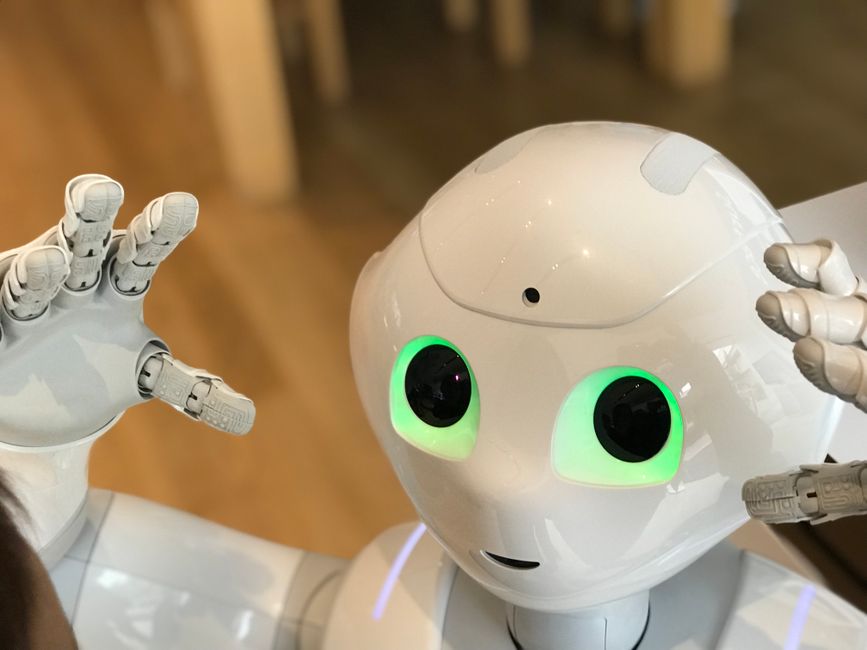
Robots are no longer just characters in science fiction movies; they are becoming an increasingly integral part of our daily lives, from helping surgeons in hospitals to vacuuming our homes. As these incredible machines become smarter, more autonomous, and more capable, a crucial question arises: How do we ensure they operate safely and ethically? At MakerWorks, we believe that understanding robot ethics and safety is just as important as learning to build and program them. Let's dive into this fascinating and vital topic!
The Rise of Robots: More Than Just Metal and Wires
Imagine a world where robots assist us in countless ways: delivering packages, exploring distant planets, manufacturing goods, and even caring for the elderly. This future is rapidly unfolding around us. From industrial robotic arms that precisely assemble cars to tiny surgical robots performing intricate operations, these machines are transforming industries and improving lives. They are not just tools; many are equipped with advanced AI, allowing them to perceive, learn, and make decisions, sometimes even without direct human intervention.
This growing autonomy brings immense potential but also significant responsibilities. As we design, build, and deploy these intelligent systems, we must consider their impact on society, the environment, and even on us, their creators and users.
Why Robot Ethics? It's Not Just for Sci-Fi!
What is Robot Ethics?
Robot ethics is a field that explores the moral implications of designing, developing, and using robots and artificial intelligence. It asks tough questions about what robots should do, what responsibilities they (or rather, their creators and operators) have, and how they should interact with humans and the world around them. It's about ensuring robots are a force for good, minimizing harm, and upholding human values.
The Three Laws (and Why They're Not Enough)
Many of us are familiar with Isaac Asimov's famous Three Laws of Robotics from his science fiction stories:
- A robot may not injure a human being or, through inaction, allow a human being to come to harm.
- A robot must obey the orders given it by human beings except where such orders would conflict with the First Law.
- A robot must protect its own existence as long as such protection does not conflict with the First or Second Laws.
While these laws were brilliant for their time and provided a great starting point for thinking about robot behavior, real-world scenarios are far more complex. What if following an order from one human harms another? What if protecting its existence means consuming vast resources needed by humans? What if "harm" isn't just physical, but psychological or economic? These laws, though foundational, highlight the need for more nuanced ethical frameworks.
Real-World Ethical Dilemmas
Let's consider some practical dilemmas that engineers, policymakers, and ethicists grapple with today:
- Autonomous Vehicles: If a self-driving car faces an unavoidable accident, should it prioritize the safety of its passengers, or pedestrians, or minimize overall harm? Who decides this, and who is accountable?
- Care Robots: Robots designed to assist the elderly or children can provide companionship and support. But what about privacy? Can they collect sensitive data? Could they foster emotional dependence or even manipulate vulnerable individuals?
- Military Robots: Should autonomous weapons systems be allowed to make life-or-death decisions on the battlefield without human intervention? What are the moral implications of reducing human involvement in warfare?
These aren't hypothetical questions for a distant future; they are challenges we face right now.
Pillars of Responsible Robotics
To navigate these complexities, several key principles guide the development of responsible robotics:
Safety First!
This is paramount. Robots, especially those operating near humans, must be designed to prevent physical harm. This includes features like:
- Collision Avoidance: Using sensors (LIDAR, cameras, ultrasonic) to detect obstacles and humans, and slow down or stop accordingly.
- Emergency Stops: Easily accessible buttons or commands to immediately halt robot operation.
- Fail-Safes: Systems designed to revert to a safe state in case of malfunction.
Beyond physical safety, data safety is also crucial. Robots often collect vast amounts of data. Ensuring this data is secure, private, and used ethically is a major concern.
"The greatest danger in the future is not that AI will become evil, but that it will be designed poorly, without sufficient ethical consideration, or that its power will be concentrated in the wrong hands." - Dr. Kate Darling, MIT Media Lab
Here's a simple example of a safety check in pseudo-code for a mobile robot:
function check_safety(distance_sensor_reading):
    SAFE_DISTANCE = 0.5  // meters

    if distance_sensor_reading < SAFE_DISTANCE:
        print("Obstacle detected! Initiating emergency stop.")
        stop_robot_movement()
        flash_warning_lights()
        return False // Robot is not safe to proceed
    else:
        print("Path clear. Proceeding with normal operation.")
        return True // Robot is safe to proceed

// Example usage:
current_distance = get_sensor_data() // Imagine this reads from a distance sensor
if check_safety(current_distance):
    move_robot_forward()
else:
    send_alert_to_operator()
Transparency and Explainability
As robots and AI become more complex, it's vital to understand how they make decisions. If an AI system denies a loan or makes a medical diagnosis, we need to know why. This "explainable AI" (XAI) is crucial for trust, debugging, and ensuring fairness.
Accountability
When a robot causes harm or makes a mistake, who is responsible? Is it the programmer, the manufacturer, the owner, or the operator? Establishing clear lines of accountability is essential for legal and ethical frameworks.
Fairness and Bias
AI systems learn from data. If the data used to train a robot or AI is biased (e.g., reflecting societal prejudices or underrepresenting certain groups), the AI will learn and perpetuate those biases. This can lead to unfair or discriminatory outcomes in areas like facial recognition, hiring, or even healthcare. Ensuring diverse and unbiased training data is a critical ethical challenge.
Privacy
Many robots, especially those in our homes (like smart speakers or robotic vacuums), collect data about our environment and habits. How is this data stored, used, and protected? Ensuring robust privacy safeguards is non-negotiable.
Do Robots Have Rights? A Glimpse into the Future
The idea of "robot rights" might sound far-fetched, but as AI becomes more sophisticated and robots exhibit increasingly human-like behaviors, this philosophical debate gains traction. It's not about giving robots human rights, but rather considering if highly intelligent, sentient-like AI deserves certain protections or ethical consideration. For now, the focus is more on our responsibilities as creators: how we should treat advanced AI, and what ethical obligations we have towards the systems we bring into existence. This is a complex area that future generations, like yours, will likely explore in depth.
Your Role in Shaping the Future
The future of robotics is not just about building smarter machines; it's about building them wisely and responsibly. As students, educators, and robotics enthusiasts in India, you are at the forefront of this revolution. Your curiosity, your problem-solving skills, and especially your ethical awareness will shape how robots integrate into our society.
Think critically, ask tough questions, and consider the broader impact of the technologies you create or interact with. Engage in discussions about privacy, bias, safety, and accountability. The next generation of ethical AI leaders and engineers will come from places like MakerWorks, where innovation is balanced with responsibility.
Conclusion
Robotics offers an incredible canvas for innovation, capable of solving some of the world's most pressing challenges. But with great power comes great responsibility. By understanding and actively engaging with robot ethics and safety, we ensure that the robots we build serve humanity's best interests, creating a future that is not only technologically advanced but also fair, safe, and just for everyone.
What are your thoughts on robot ethics? Share your ideas, join a robotics club, or start exploring AI safety principles in your projects. The conversation starts now, and your voice matters!